Which European Country Is Actually Best for Sailing?
By Kris Vazovsky — Founder of Hidden Jam. Forbes 30 Under 30. Licensed boat captain. 80+ countries
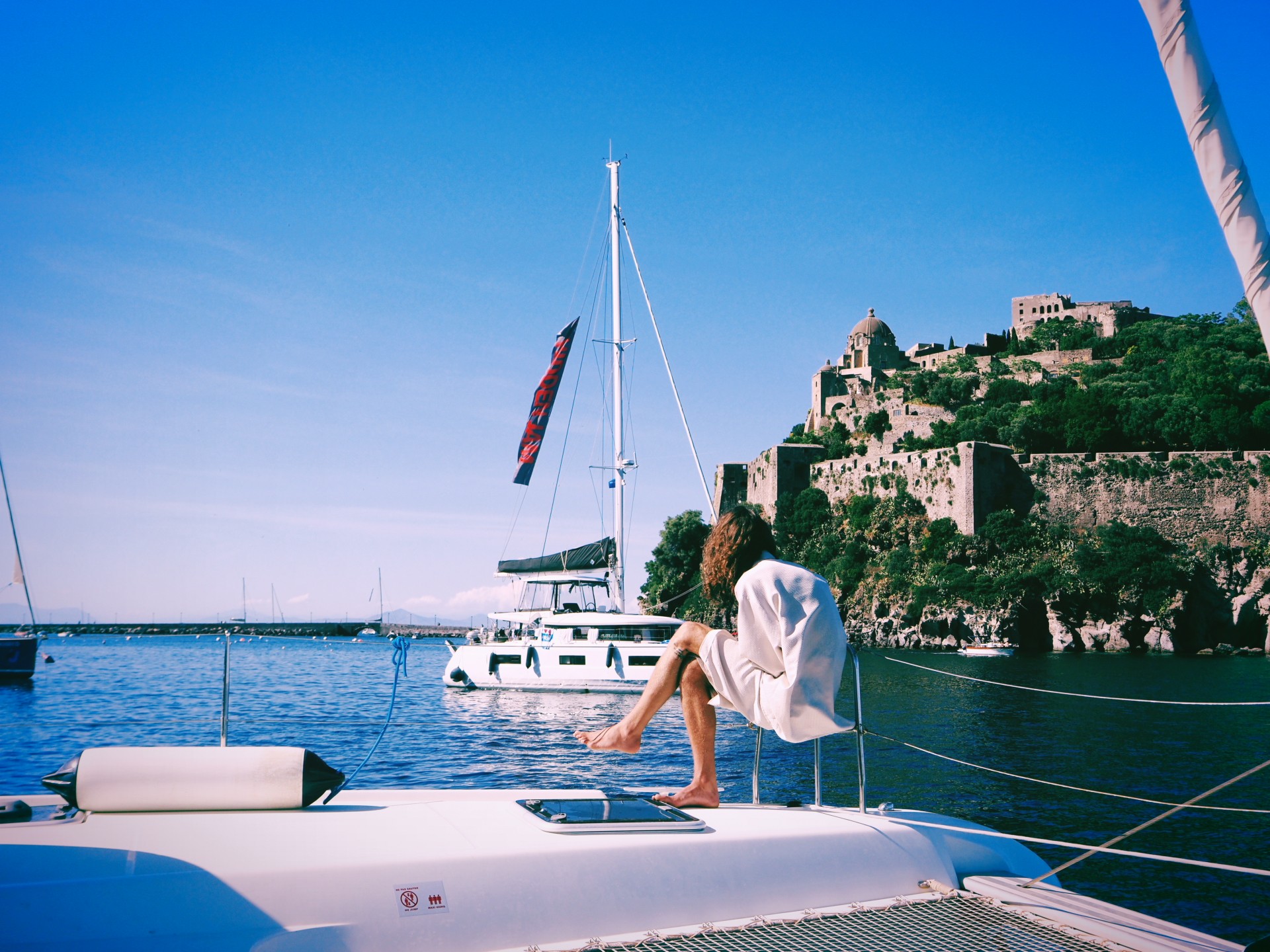
If you're wondering what is the best country in Europe to go sailing, you're already asking the right question, and the honest answer is that it depends entirely on who you are as a sailor. Pick the wrong destination and you're fighting 40-knot meltemi winds when all you wanted was sundowners in a quiet cove. Or you book the buzzy party marina expecting solitude. The choice matters far more than the brochures let on.
This guide breaks down five of Europe's most-booked sailing countries: Greece, Croatia, Italy, Turkey, and Montenegro. We compare them by scenery, wind conditions, marina culture, budget, and the type of sailor who gets the most out of each one. Whether you're planning a bareboat charter, a skippered trip, or eyeing a curated group sailing experience, this comparison cuts through the noise and gives you the real picture.
What Is the Best Country in Europe to Go Sailing? A Quick Comparison
Greece and Croatia dominate European charter markets for a reason. Italy and Turkey reward sailors willing to look past the obvious. Montenegro is for those who want to arrive somewhere before everyone else does. No single answer fits every traveler, which is exactly why the comparison below matters. For broader destination listings and charter market context, see a roundup of notable European yacht charter destinations.
Greece: Island-Hopping Across the Aegean and Ionian
The Scenery: Two Countries for the Price of One
Greece's visual range is almost unfair. The Aegean gives you the postcard version: whitewashed villages spilling down volcanic calderas in Santorini, the charged atmosphere of Mykonos, and the raw, wind- carved beauty of the Cyclades. Sail west to the Ionian and the palette shifts entirely, dense green hillsides, sheltered turquoise bays, and the quiet drama of islands like Kefalonia and Ithaca. With approximately 6,000 islands in total, no two Greek sailing routes feel the same, which is why it consistently tops European charter booking lists.
Wind Conditions: The Meltemi's Double Edge
The meltemi is Greece's defining wind: a strong northerly that blows across the Aegean from June
through August, typically delivering 20 to 40 knots. For experienced cruisers, it's exhilarating. For beginners, it's a fast way to have a bad week. The Ionian solves this problem neatly. Afternoon thermal breezes build predictably to Force 3 to 5 (7 to 21 knots), fade by evening, and leave mornings glassy and calm. June and September are the sweet spot in both regions: reliable wind, warm water, and anchorages that don't require an hour of circling to find a spot.
Marina Culture and Who Greece Sailing Is Really For
Greece genuinely suits both first-timers and seasoned cruisers, just in different regions. The Ionian gives beginners short passages, sheltered anchorages, and strong charter infrastructure in hubs like Lefkas.
The Aegean rewards experienced sailors willing to work for the views. Waterfront tavernas, communal anchorage culture, and the kind of spontaneous evenings that can't be planned make Greece the most socially alive sailing destination in Europe. For travelers who want the best of Greece without navigating the logistics alone, Hidden Jam's ambassador-led group sailing trips run to the Greek islands with curated itineraries, vetted cohorts, and insider access to stops that rarely surface in standard charter guides.
Croatia: The Adriatic's Most Polished Sailing Scene
Scenery: Medieval Walled Cities and Impossibly Clear Water
Croatia's Dalmatian Coast delivers a very specific kind of beauty: clear turquoise water, forested islands, and old-town harbors that look like they were dressed for a film shoot. Split, Hvar, Vis, and the Kornati archipelago all hit differently from the water than from land. Croatia has grown into one of Europe's leading charter markets alongside Greece, and the infrastructure has kept pace, well-equipped marinas, reliable provisioning, and a charter fleet that covers every budget tier.
Wind Conditions: Predictable, Beginner-Friendly, and Honest
The maestral, a westerly sea breeze, typically kicks in between 10am and midday and fades by sunset. It's consistent, moderate, and deeply satisfying to sail. Flat seas, minimal tidal range, and short island-to- island passages mean even newer sailors can navigate the Dalmatian Coast comfortably. June and September offer the best combination of good wind, warm water, and fewer crowds compared to the windless, overcrowded July-to-August peak when marinas in Hvar can feel genuinely congested. For a month-by-month breakdown of conditions, see a practical guide to Croatia weather by month.
Marina Culture and the Social Scene on the Water
Croatia's marina culture is buzzy and social in the best way. Hvar draws a nightlife crowd that parties late into the Adriatic evening. Vis feels more unspoiled and quietly cool. The national park anchorages in Kornati offer solitude of a completely different order. ACI Marina Split stands out as a gateway for group
sailing trips: central, well-provisioned, and 30 minutes from the airport (see a practical list of top marinas in Split). For travelers who want the social energy of Croatia with a compatible crew already built in, Hidden Jam runs curated group sailing voyages along the Dalmatian Coast, a more deliberate way to do the Adriatic than hoping the chemistry works out with whoever else booked that week.
Italy: When Scenery Outranks Everything Else
Three Very Different Sails Under One Flag
Italy doesn't offer one sailing experience, it offers three, each asking something different of you. The Amalfi Coast is dramatically beautiful, cliff-edged, and logistically demanding, with limited anchorages and heavy marine traffic. Sardinia opens into wild, open water with strong winds, remote anchorages, and an upscale marina scene that attracts a different breed of sailor entirely. Sicily adds cultural richness: Greek temples visible from the cockpit, fish markets worth stopping for in every port.
Who Italy Sailing Is Actually For
Italy generally requires more experience than Croatia or the Ionian. Amalfi's limited anchorages and heavy traffic punish hesitation. Sardinia demands confidence on open-water passages, particularly when the mistral runs strong. Charter costs also sit at the upper tier of Mediterranean pricing, with bareboat charters typically starting around €3,000 to €10,000 per week before factoring in the higher cost of living ashore. Italy rewards experienced sailors who prioritize world-class scenery and fine dining at anchor over relaxed, low-stress navigation. If that trade-off works for you, there is nowhere on the Mediterranean that matches the Amalfi viewed from the water in late afternoon light, the cliffs take on a warmth that no photograph quite captures.
Turkey: More Coastline, Fewer Crowds, and Better Value
The Turquoise Coast and the Gulet Culture
Turkey's southwest coast, running from Bodrum to Fethiye, is one of Europe's most underappreciated sailing destinations. Turquoise coves tucked into pine-covered cliffs, ancient ruins accessible only by boat, and a gulet sailing culture that blends traditional wooden vessel aesthetics with genuine modern comfort. The critical difference from Croatia and Greece: far fewer boats. Anchoring in your own private bay in July is genuinely achievable here, not a fantasy reserved for shoulder season.
The Value Proposition That Experienced Sailors Already Know
Turkey's Aegean and Mediterranean coasts follow the same seasonal wind patterns as Greece, with
reliable breezes in summer and the same shoulder season advantages in May to June and September. Charter costs run 20 to 40 percent lower than comparable Greek or Italian options. A private gulet charter for a group typically runs €8,000 to €25,000 per week, with cabin charters available from €650 per person in early season. Marina infrastructure in Bodrum and Marmaris is well-developed by any Mediterranean standard, and visa requirements for most Western travelers are straightforward, though it's worth checking current entry conditions through official consular sources before booking. You should also confirm local licensing rules, see local guidance on bareboat charter license requirements in Turkey. On a quality-to-cost calculus, Turkey consistently outperforms its reputation.
Montenegro: Europe's Most Underrated Sailing Destination
The Bay of Kotor: A Fjord Where No Fjord Should Exist
Montenegro is tiny, and that's precisely the point. The Bay of Kotor is one of the most dramatically beautiful anchorages in all of Europe, medieval fortified towns rising straight from the water, mountains dropping into the bay at angles that seem architecturally impossible, and almost none of the charter- market saturation you find elsewhere on the Adriatic. The bay earns its reputation as Europe's southernmost fjord, and the comparison holds. Porto Montenegro in Tivat offers superyacht-grade marina infrastructure in a setting specifically designed to make you feel smug about finding it.
Who Montenegro Is Really For
Montenegro works best as a standalone boutique experience for sailors who want maximum beauty with minimum traffic, or as an add-on leg to a Croatia charter out of Dubrovnik, just a short crossing south along the coast. The fjord-like shelter of the Bay of Kotor makes it accessible to a range of experience levels, and its calm, enclosed waters suit relaxed sailing well. Marina infrastructure beyond Porto Montenegro is still developing, which keeps prices lower and crowds genuinely thin. Those comfortable with fewer amenities in exchange for extraordinary scenery will find it particularly rewarding.
How to Choose the Best Country in Europe to Go Sailing
Matching Your Experience Level to the Right Waters
The framework is straightforward. Beginners belong in the Ionian Sea (Greece) or on the Dalmatian Coast (Croatia): short passages, calm anchorages, strong charter support, and wind that builds and fades on a predictable daily schedule. Intermediate sailors can step up to the Aegean, Turkey's Turquoise Coast, or Montenegro, where conditions ask more of you but reward the investment. Experienced cruisers who want a real challenge alongside extraordinary scenery should look at Italy's Sardinian waters or the full meltemi experience in the Cyclades.
Budget, Season, and What You're Actually Optimizing For
Charter cost tiers break down clearly across these five destinations. Turkey and Montenegro offer the best value. Croatia and Greece sit comfortably mid-range. Italy prices at the top of the Mediterranean bracket. On timing, June and September beat August everywhere: better wind, thinner crowds, easier anchorage availability, and lower charter rates across the board. September in particular tends to win on crowd levels, wind consistency, and sea temperature simultaneously, though the right month ultimately depends on which destination you choose.
Consider what you're actually optimizing for before you book. Social energy and ease of logistics? Croatia. Island variety and sailing range? Greece. Value and privacy? Turkey. Scenery above all else? Italy or Montenegro. The worst decision is booking based on a single beautiful photograph without checking whether the wind conditions and skill requirements match what you're actually capable of enjoying. For further reading on where to sail across Europe, this yacht charter in Europe guide offers practical destination comparisons.
When a Curated Group Trip Makes More Sense Than a DIY Charter
Bareboat chartering carries a planning overhead that most people underestimate. You need to source the right boat, vet the charter company, assemble a crew who can actually sail together without drama, design an itinerary that holds up in practice, and manage every provisioning and logistics call once you're underway. For travelers who want the experience without that overhead, an ambassador-led group sailing trip removes every one of those variables. For practical pre-trip planning tips, see How to Plan a Trip to Europe for the First Time. Hidden Jam's voyages to Greece and Croatia pair curated itineraries with vetted cohorts and access to stops that don't appear in any standard charter guidebook. The boat, the route, and the crew are sorted before you arrive.
The Right Destination Is the One That Fits How You Actually Want to Sail
So what is the best country in Europe to go sailing? There's no single answer, only the right one for your skill level, budget, travel style, and the kind of week you want to have. Greece and Croatia dominate the charter market for a reason: accessible conditions, extraordinary scenery, and infrastructure that makes the whole experience easier than it has any right to be. Italy and Turkey reward the traveler willing to look past the obvious. Montenegro is for those who want to feel like they found something before everyone else did.
What no destination alone can guarantee is the quality of experience once you're on the water. That depends on who you're sailing with, how well the itinerary is designed, and whether you have the local knowledge to find the places actually worth finding. If the planning already feels like work before the trip has started, a curated group sailing experience is worth a serious look. HiddenJam's ambassador-led voyages through Greece and Croatia are built for exactly that: the kind of week that looks effortless from the outside because everything behind it has already been thought through.