Is Solo Female Travel Safe in 2026? 5 Rules That Matter
By Kris Vazovsky — Founder of Hidden Jam. Forbes 30 Under 30. Licensed boat captain. 80+ countries
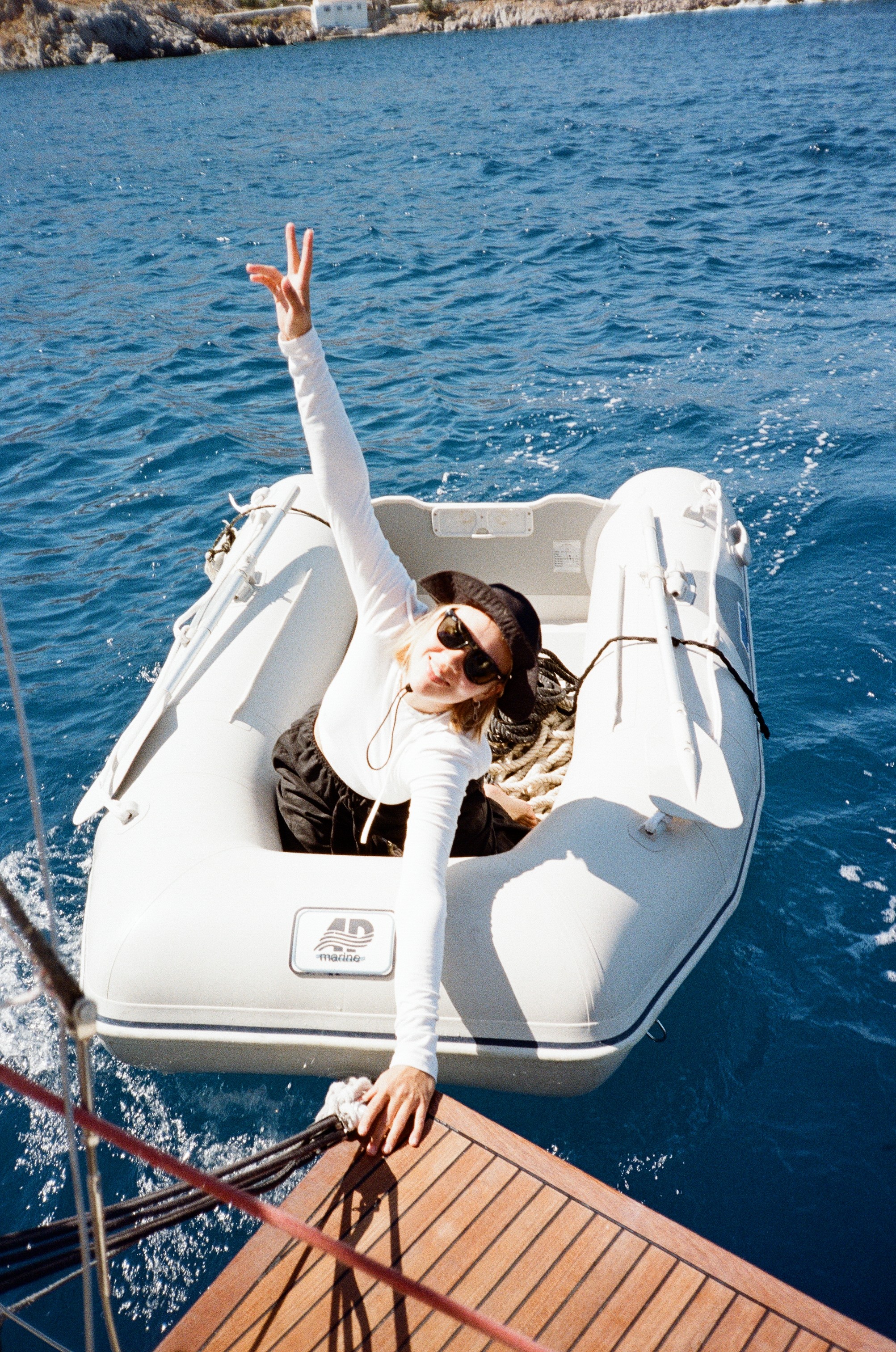
Last year, more than three-quarters of solo travelers were women. In 2026, that share is closer to 84%, according to Grand View Research and CEOWorld. And still, when a woman says she's traveling alone, the first response is almost always: is that safe?
Short answer: yes, with the same caveat that applies to anyone going anywhere. A 2023 JourneyWoman poll found 89% of solo female travelers report no major incidents on trips over two weeks. Assault rates for solo travelers (0.8% per trip) are lower than for group travelers (1.2%), per Interpol 2024.
What changes the math isn't location. It's five rules:
Pay for the right neighborhood, not the cheaper room. A $20 saving in the wrong area costs more in taxis and skipped dinners.
Build a system, not just confidence. One person knows your rough itinerary. You know your exit before going out.
Match tactics to the country. What works in Lisbon doesn't work in Marrakech.
Solve loneliness with structure. One group week breaks the dinner-alone spiral.
Trust your read over your politeness. Being rude to a stranger you'll never see again is not a failure.
Each one below, with the math.
I'm Kris. I run Hidden Jam, and I've traveled to over 80 countries, most of them alone. The first time I went fully solo, I was 16. Brazil. Within 10 minutes of arriving at the hotel, I locked myself out on the 20th-floor balcony. I stood there looking at the city and thought: nobody is coming. Figure it out. I did. I don't remember how.
That moment taught me what 15 years of solo travel later confirmed. The danger most women fear isn't the danger that actually shows up. Here's what does, and what to do about it.
So Is Solo Female Travel Actually Safe in 2026?
Statistically, yes. Assault rates for solo travelers are 0.8% per trip, lower than the 1.2% rate for group travelers, per Interpol's 2024 tourism safety report. Theft rates dropped from 22% in 2019 to 12% in 2023, according to World Nomads claims data.
The bigger risks are boring: missed flights, food poisoning, getting locked out of your accommodation, getting scammed at a taxi rank. None of those are "safe" or "unsafe." They're solvable with systems.
Why Does Where You Sleep Matter More Than What You Pack?
Solo travelers consistently underspend on accommodation and overspend on regret.
The math is simple. A $15 cheaper room in a neighborhood where you can't walk home at night means you're paying for taxis every time you're out after dark, you're skipping dinners that run late, and you're spending mental energy on a problem that didn't need to exist.
Pay the extra $20 to $40. Book the room that's a 10-minute walk from where you actually want to be. In most of Europe and Southeast Asia, that difference buys you a different risk profile entirely: lit streets, open cafés, other people around at midnight.
Second thing. The front desk is your most underused resource. Not for tourist tips. For: "Is it fine to walk back from this address at midnight?" That person knows. Ask them.
What Safety System Should Every Solo Female Traveler Have?
Every solo female travel article tells you to "walk with confidence." Not useless advice. Also not a plan.
A real system has two parts.
One person knows your rough itinerary. A friend, a family member, anyone. Not because something is going to happen, but because if something does, someone knows where to start looking. Four minutes to set up Google Maps location sharing.
You know your exit before you need it. Before going out at night in a new city, check: how do you get back from that area if your phone dies? What's the main street? Where's the nearest metro? Same thing you do when you check the emergency exit on a plane. 30 seconds. Automatic.
One more: 92% of solo travelers now use ride-sharing apps, which Uber's 2023 safety study found reduces street harassment encounters by 40%. Have the app installed and a payment method on it before you land, not after.
Are Some Countries Actually Harder Than Others?
Yes. This is the one nobody wants to say directly.
Spain ranks safest for solo female travelers in 2026 with a safety index of 7.45, per Bounce data. Western Europe rates nighttime walking safety at 8.2/10 versus 6.5/10 globally according to Numbeo 2024. Iceland, Japan, and Germany consistently top the lists.
Other places run a different category. Parts of Egypt, parts of India, certain neighborhoods in major cities. The harassment isn't comparable to an uncomfortable comment in Berlin.
The mistake is applying the same strategy everywhere. In a low-harassment context, ignoring and walking is enough. In a high-harassment context: sunglasses on, headphones in (even with no music), eyes forward, no eye contact, no response, and you've already pre-identified where you're walking to.
What works in Lisbon doesn't work in Marrakech. Read country-specific forums before you go. Not travel blogs. Forums where women describe what happened to them last month.
How Do You Solve the Loneliness Problem Without Giving Up Solo Travel?
Here's what the content doesn't show you. 49% of solo travelers worry about getting lonely, per Klook's 2024 global survey, and they're right to.
Instagram shows the woman at sunset. It doesn't show her eating dinner alone for the sixth night in a row, screen on, scrolling for something to look at.
The fix isn't "be more extroverted." The fix is structure. One or two points in your trip where you're not solo by design.
That's why small-group sailing works for women traveling alone. Boats of 8 to 10 people, week-long routes, places that are hard to reach on your own. You arrive solo, you're not alone. Self-selection matters: people who book this kind of trip chose it specifically. The dynamic is nothing like a tour bus.
This is the entire model behind Hidden Jam's group sailing trips. The Ionian Islands route (Lefkada, Ithaca, Kefalonia, Zakynthos, Paxos) starts at €2,490 and consistently runs at higher solo female bookings than any other category we offer.
Why Should You Trust Your Read Over Your Politeness?
This is the one that actually saves people.
Every woman has had the moment where something felt off, and she talked herself out of it. The "friendly" guy. The driver who "seemed fine." The situation that was "probably nothing."
Research on threat perception is consistent. Intuition in threatening situations isn't imagination. It's your brain processing information faster than your conscious mind can articulate it. The physical feeling that something is wrong is data.
The problem: women are trained from childhood to be polite. Don't make a fuss. Give people the benefit of the doubt. Don't be rude.
Being rude to a stranger you'll never see again isn't a social failure. Getting in a car because you didn't want to seem paranoid is a much bigger problem. Trust the read. Leave the situation. You don't owe anyone an explanation.
FAQ: Solo Female Travel Safety in 2026
Is solo female travel actually safer than it used to be? Yes, measurably. Theft against solo travelers dropped from 22% in 2019 to 12% in 2023, and assault rates for solo travelers (0.8% per trip) are now lower than for group travelers (1.2%), per Interpol 2024 data. Ride-share apps and location sharing have reduced street harassment encounters by roughly 40%.
What's the safest country for solo female travelers in 2026? Spain currently ranks #1 with a safety index of 7.45, followed by Iceland, Japan, and Germany. Western Europe rates nighttime walking safety at 8.2/10 versus 6.5/10 globally. For first-time solo trips, 54% of solo female travelers recommend Europe specifically.
How much should I budget for safer accommodation? In most European cities, the difference between a "fine" neighborhood and a properly central, walkable one is $20 to $40 per night. Over a 7-day trip that's $140 to $280. Cheaper than the taxis, regret, and missed dinners you'll skip in a worse area.
Should I tell strangers I'm traveling alone? Use judgment. Hotel staff and women asking, fine. Men in bars, drivers asking unprompted, anyone offering unsolicited help in transit: say you're meeting friends. It's not paranoid. It's standard. Most experienced solo female travelers I know have a default cover story.
Is group travel a copout if I want to travel solo? No. Mixing one structured group week into a longer solo trip is a common pattern. Hidden Jam guests routinely book a 7-day trip, then spend another two weeks solo before or after. The group resets you socially, which means you're not 14 nights into eating dinner alone by trip's end.
Ready to Travel Solo Without Being Alone?
Hidden Jam runs small-group adventure trips for people who want more than a standard vacation. The Ionian Islands sailing route in June 2026 has spots open and the highest share of solo female bookings of any trip we run this year.