How to Plan a Trip to Europe for the First Time
(Without Wasting Half of It)
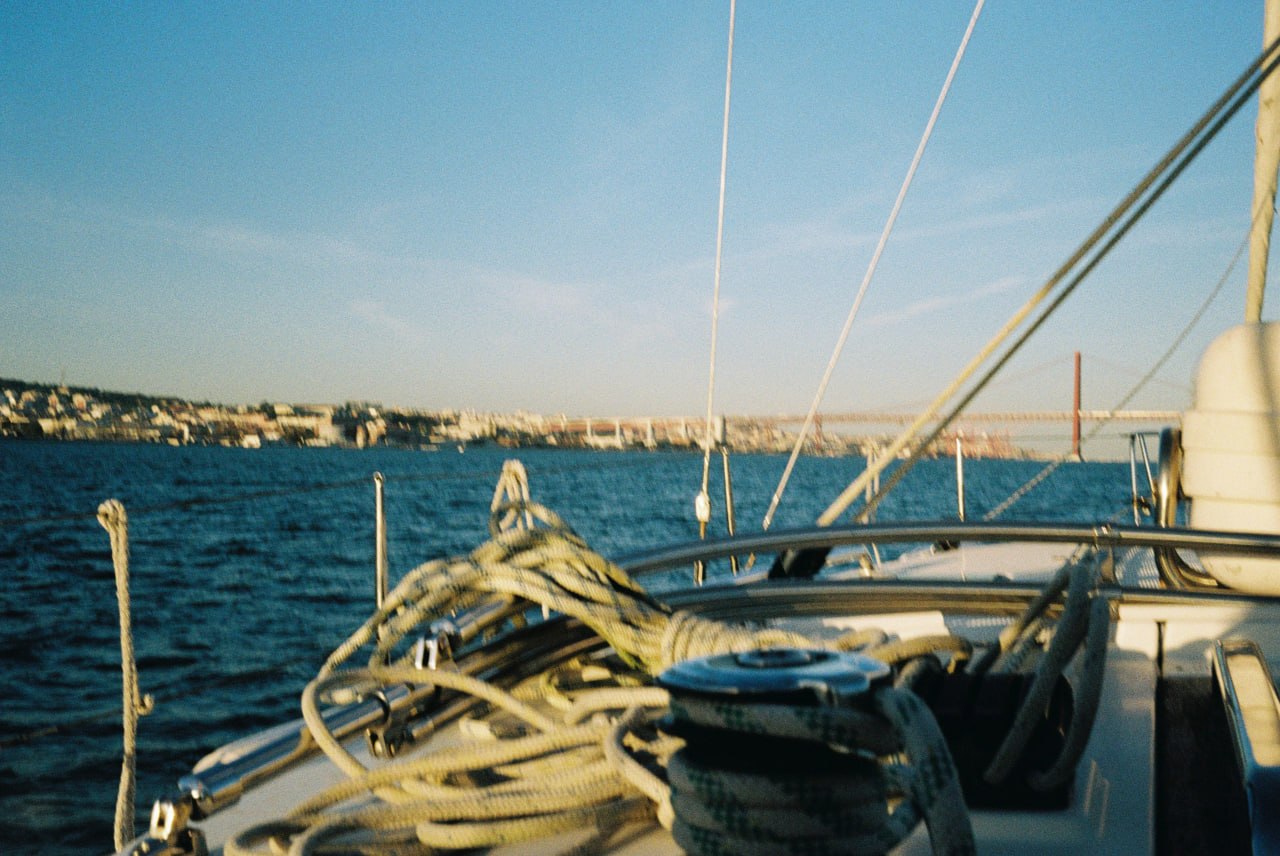
Most Americans fly across the Atlantic, spend thousands on a Europe trip, and come back feeling like they missed something.
You probably did. Not because you went to the wrong places. Because nobody told you how Europe works before you got on the plane.
I’m Kris. I started Hidden Jam after one too many trips where the “luxury group experience” turned out to be strangers awkwardly sharing a van to a hotel that looked nothing like the photos. At some point, I stopped booking those trips and started building better ones. Now I take people sailing the Amalfi Coast, Croatia, and Greece. I’ve traveled to 80+ countries, I’m a licensed boat captain, and I’ve made most of the mistakes described below at least once. Here’s what I’d tell you before you book.
Should You Visit Multiple Countries on Your First Trip to Europe?
The short answer is no. And I’ll tell you why people always try anyway.
You travel such a long distance, and your brain says: maximize everything. Six countries in three weeks feels logical. What usually happens is you spend more time in transit than in any of these countries. Every city starts to blur into the next. You come home exhausted, having technically seen a lot and experienced none of it.
My personal advice is: don’t do multiple regions within the same country either. Northern and Southern Italy are two different worlds.
In a nutshell, choose one place and go deep. I know that feels wasteful when you’ve just crossed an ocean, but it’s the only version of this trip you’ll want to repeat.
When Is the Best Time to Visit Europe?
Definitely not July or August. I’m saying this as a European.
August is when all of Europe goes on vacation at once. Half the restaurants close. Prices go up everywhere. The heat often reaches 95F or above, and most buildings have no air conditioning, because until recently it wasn’t necessary. The crowds in Rome or Barcelona in August are more like a patience test, rather than a holiday.
May, June, September, and early October are your window. Same weather, roughly 40% cheaper across flights and accommodation, and you can move through a city without feeling like you’re in an airport queue.
September is my personal preference. The sea is still warm - 75F in Croatia, 72F in Greece. The tourist crowds are gone. One thing that is worth your attention in this case: if you’re going to the South of France or the Greek islands in late September, check ferry and restaurant schedules. Some things start winding down earlier than you’d expect, and the internet won’t always tell you until you’re already there.
How Do You Find Cheap Flights to Europe from the US?
Stop booking one direct ticket and calling it done.
Think in routes instead. A flight from New York to Lisbon can run $300-$350. Add a short connecting flight to your destination for $40-$60 on a budget carrier. That’s how it’s done, and the savings are real.
Skyscanner has a feature where you leave the destination blank - it shows you the cheapest place you can fly to from your city right now. If your dates are flexible, shifting by even one day can cut $150-$200 off the fare.
Inside Europe: Ryanair and Wizz Air for longer distances. Fast and cheap, though both charge for checked bags and the airports are sometimes 40 minutes outside the city. Factor that in before you celebrate the €19 fare.
Where Should You Stay in Europe Without Overpaying?
In big cities like Paris, the difference between weekday and weekend hotel rates can be 40-50%. Spend weekdays in the city center, plan side trips around the weekend.
Two platforms most Americans haven’t heard of: Ciao and Kindred. Think Airbnb ten years ago, before the fees and the three-night minimums. Real homes, real neighborhoods, cheaper.
Personally, I skip hotels when I can. I sleep on boats. Through Hidden Jam, we put guests on a luxury boat on the Amalfi Coast for roughly the same cost as a mid-range hotel room - morning coffee with the Italian coastline outside the window, falling asleep under open sky. I’m aware that it sounds like a sales pitch. It’s also just true. The link is at the bottom if you’re curious.
What Should You Pack for a Trip to Europe?
Most people get this wrong: checking a bag.
You don’t need it. Europeans travel for two weeks with just a carry-on. A checked bag means baggage claim, extra fees on every budget flight, and dragging a large suitcase over cobblestones at midnight. European cities were built before big luggage existed.
Pack for one week. Do laundry once or twice. Two pairs of shoes - one for walking, one for dinners.
One thing I recommend taking: a small crossbody bag. Pickpocketing is very real in tourist areas in Rome, Barcelona, and Paris. Keep your phone and wallet in front of you, not in a backpack behind you.
How Do You Actually Experience Europe Instead of Just Photographing It?
This is the part travel guides leave out.
The trips that actually stay with you happen when you stop trying to see everything and start paying attention to one place. The restaurant with no English menu, where you pointed at what the table next to you was eating. The village you pulled over for on a drive because it looked interesting. The market you wandered into on a Wednesday morning, with nowhere to be until dinner. These are the moments we remember the most.
None of that is in any guidebook. It happens when you slow down enough for it.
I don’t have a formula for this part. On some trips, it clicks immediately. For others, it takes four days before you stop moving fast enough to notice anything. That’s fine. Honestly, that’s how it usually goes.
FAQ: Planning Your First Trip to Europe
How much does a trip to Europe cost for an American?
Flights from the US can run $300-$500 return if you book 2-3 months ahead and use the routing approach above. Budget $80-$150 per day in Western Europe for accommodation, food, and transport - less if you use budget airlines for internal travel and don’t eat every meal at a tourist restaurant.
How many days do you need in Europe for a first trip?
10-14 days minimum if you want to settle into a place. Less than that and you spend most of it jet-lagged and in transit. Two weeks in one country beats ten days split across five.
Is Europe safe for first-time travelers?
Generally yes. Western Europe has very low rates of violent crime against tourists. The main risk is petty theft in crowded areas of major cities. Keep your bag in front of you, don’t leave drinks unattended, and trust your instincts.
Do you need to speak the local language?
No. English is spoken widely across Western and Northern Europe. That said, learning ten words in the local language (like hello, thank you, please, one coffee, sorry) changes how locals respond to you. Worth twenty minutes before you land. Don’t you think?
What’s the best way to get around Europe?
Trains between major cities are fast and often more practical than flying once you consider airports. Budget flights for longer distances or less connected routes. I would suggest renting a car only for rural areas - driving in city centers is stressful, and parking is a project.
You now have everything you need to plan this properly. Europe doesn’t need to be a checklist. The trips people talk about for years are almost never the ones where they saw the most things.
If you want to do part of it on the water - Croatia, Greece, the Amalfi Coast - see what Hidden Jam is running this year. A private chef, a luxury boat, and access to places you won’t find on your own. Worth a look before you book anything else.