5 Underrated Places in Europe Worth Visiting in 2026 (That Most Travelers Skip)
By Kris Vazovsky — Founder of Hidden Jam. Forbes 30 Under 30. Licensed boat captain. 80+ countries
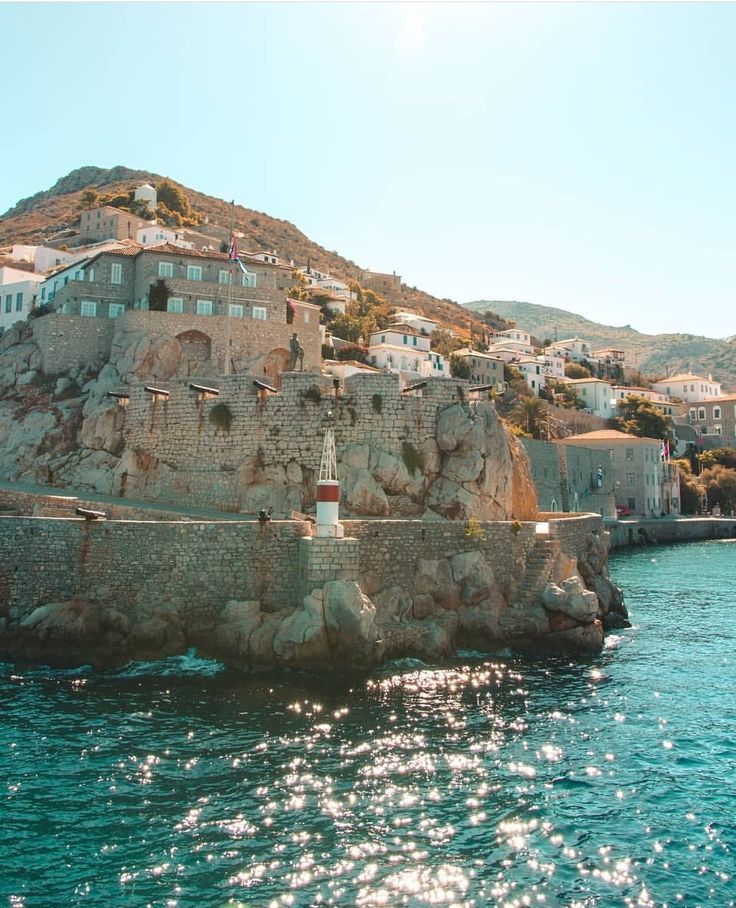
The five: Milos in Greece, the Pelješac Peninsula in Croatia, the Faroe Islands, the Ionian Islands, and Valletta in Malta. Each one rewards people who skip the standard Paris-Rome circuit — here's why.
If you're planning Europe and the list reads Paris, Rome, Barcelona, Amsterdam, this article isn't for you. The five below are for the second trip, or for the traveler who's done the obvious circuit and wants the version where the photos aren't already on Pinterest.
These aren't undiscovered. Some have a million Instagram posts. Most travelers still skip them because the obvious circuit is faster to plan and the alternatives take more research. That's the gap this list closes.
I'm Kris. I run Hidden Jam, I've lived in seven countries, and I'm a licensed boat captain.
Two years ago I had a Santorini flight booked and a bag half-packed when a friend called from a boat off the coast of Milos. She was 40 minutes away from Santorini and three days into an island with no cars, no cruise ships, and a taverna that opened whenever the owner felt like it. She said: "I'm not coming to Santorini." I cancelled the hotel. Booked a ferry.
The places below are where that decision leads.
Why Skip Santorini for Milos?
Milos is a volcanic island in the Cyclades. Around 5,000 residents. More than 70 beaches across the island, every one a different color from the last because of the volcanic geology.
The famous one is Sarakiniko: white lunar rock, carved by wind, dropping straight into turquoise water. You can reach it on a scooter in 10 minutes from Adamas port, no sunbeds, no beach club, no entrance fee. You climb down and get in.
What makes Milos work as a Santorini alternative is what isn't there. One small airport. Two to three high-speed ferries a day from Athens, around 3 hours. Zero cruise ship terminals. That last detail is why the island still feels like Greece in 2010 instead of Greece on a peak July afternoon.
Best months: May, June, September. In July and August, the meltemi wind picks up and ferries get cancelled. Plan around that.
What's Worth Two Days on the Pelješac Peninsula?
Croatia's only real problem is that everyone goes to Dubrovnik and Hvar, both of which now cost what Montenegro cost five years ago and have the queues to match.
Pelješac is a 70 km strip of land northwest of Dubrovnik that produces two things: oysters and Dingač wine. Dingač is one of the oldest protected wine designations in Eastern Europe. The grapes grow on cliffs so steep that hand-harvesting takes three times longer than normal vineyards. The wine is dense, dark, and 14-15% alcohol. A bottle at the winery: about €10.
The town of Ston has the longest preserved fortress system in Europe — 5.5 km of walls, 14th century, currently around €10 to enter and walk. Compare to Dubrovnik's city walls, which run €40 in 2026 and have you walking single file with 400 strangers.
Mali Ston is a village of about 200 people that has been farming oysters in the same bay since Roman times. You eat them at a restaurant with no menu — they bring whatever came out of the water that morning, around €20 for more than you can finish.
Pelješac sits two hours by car from Dubrovnik. Most people drive straight through it on the way to Split. The peninsula also sits on the route of Hidden Jam's Croatia sailing week in September 2026, which anchors offshore for an afternoon of oysters and wine before continuing up the Dalmatian coast.
What Are the Faroe Islands Actually Like?
Eighteen islands in the North Atlantic between Norway and Iceland. Population 54,870 as of late 2025. More sheep than people — 70,000 to 80,000 of them, depending on the source.
The landscape is what Iceland was before Iceland got on every airline's direct route map. Black basalt cliffs go 400 meters straight down into the ocean. Waterfalls that fall sideways when the wind picks up. Villages built by people who didn't expect anyone to visit.
Sørvágsvatn is the largest lake in the country and sits on a cliff above the ocean. From the right viewpoint at Trælanípa, the lake appears to be hanging in the air above the sea. It's an optical illusion: the actual height difference is around 30 meters. The hike to the cliff edge runs roughly 1.5 hours each way, no guide required at the lake itself.
For puffins, you go to Mýkines island, separate from the lake. Mýkines requires a guided walk during nesting season from mid-May to mid-August to protect the colonies. There's a ferry fee and a separate access fee.
Direct flights from Copenhagen, London, and a handful of Scandinavian cities. Average summer temperature: 12°C / 54°F. Pack accordingly.
Why Sail the Ionian Instead of Hopping the Aegean?
The Aegean is what people picture when they hear "Greek islands": Mykonos, Santorini, Rhodes. The Ionian is Greece's other coast, facing Italy. Different geography. Greener. Cliffs more dramatic. Fewer crowds, partly because it's harder to island-hop by ferry — the Ionian rewards sailing, not bus tours.
Kefalonia has a cave lake called Melissani. You take a rowboat in. The ceiling is half open, and at noon the light hits the water and turns it a shade of blue I don't have a word for.
Ithaca is 20 minutes by boat from Kefalonia, around 3,000 residents. Paxos is 12 km long with olive trees planted by Venetians 500 years ago that still produce fruit.
The logistics catch is that a rental car gets you to one island and the ferries between Lefkada, Kefalonia, Ithaca, Paxos, and Zakynthos run rarely outside July-August. Sailing connects them.
Hidden Jam runs this exact route in September 2026: Lefkada to Paxos, 7 days, 8-10 people on a yacht, starting at €2,490. Not a tour — a small group that stops wherever it wants.
What Makes Valletta Worth Two Days?
Valletta is the smallest capital city in the EU. Around 6,000 people inside the walls. The entire city is a UNESCO World Heritage Site, which means in practice that you walk through 400 years of Baroque architecture without hitting a modern building.
The Co-Cathedral of St. John is the reason to come. Outside, plain 16th-century stone facade, intentionally severe. Inside, every square centimeter of floor and ceiling is covered. The floor is 405 marble tombstones inlaid with colored stone. Two Caravaggio paintings hang in the Oratory — The Beheading of Saint John the Baptist (the largest canvas Caravaggio ever painted, and his only signed work) and Saint Jerome Writing. Both originals.
You can walk Valletta's full footprint in about four hours. Stay two days anyway. The Grand Harbour is one of the great working harbors in the Mediterranean and Valletta-inside-the-walls is cheaper for accommodation than Lisbon was three years ago.
Direct flights from most European cities run under three hours.
FAQ: Underrated Places in Europe
What is the best underrated Greek island? Milos, for travelers who want the Cyclades without the Santorini crowds. Volcanic geology, 70+ beaches each a different color, no cruise terminals, around 5,000 residents. If sailing is on the table, the Ionian islands (Lefkada, Kefalonia, Ithaca, Paxos) are the better choice. The west coast of Greece is greener, less crowded, and harder to reach by ferry, which keeps the visitor numbers down.
Is Valletta worth visiting? Yes, for 2 days. The entire city is a UNESCO World Heritage Site, around 6,000 residents inside the walls, and you walk through 400 years of Baroque architecture without hitting a modern building. The Co-Cathedral of St. John alone holds two original Caravaggios, including the largest canvas Caravaggio ever painted. Direct flights from most European cities run under 3 hours.
When's the best time to visit these five places? For Milos, the Ionian, and Valletta: May, June, or September. July and August are hot and (in Greece) windy, with ferries cancelled regularly by the meltemi. For Pelješac: May through October. For the Faroes: June, July, August. The rest of the year is cold and dark, with limited daylight in winter.
Which of these is the most affordable? The Pelješac Peninsula. Wine, oysters, accommodations, and Ston wall entry are all roughly half what equivalent items cost in Dubrovnik. The Faroes are the most expensive. Flights and food are Nordic-priced.
How do you actually get to the Faroe Islands? Direct flights from Copenhagen (90 min), Edinburgh, Reykjavík, Oslo, and a few other Scandinavian cities. Vágar Airport is the only one. There's also a 36-hour ferry from Hirtshals, Denmark via Smyril Line if you want to bring a car.
Is Milos really better than Santorini? For most travelers, yes. Santorini's caldera view is genuinely worth seeing once. After that, Milos has the geology, the water, and the food without 17,000 cruise passengers a day. Different trips. Milos is what people are actually after when they say they want "the Greek island feeling."
Can you visit all five in one trip? Not in less than three weeks. The Faroes need their own trip. The weather and geography don't combine with Mediterranean island-hopping. The realistic combination is two of the southern four (Milos + Ionian, or Pelješac + Valletta) over 10-14 days. The Faroes deserve a dedicated 5-7 day trip.
What is the best way to see the Ionian Islands? Sailing. Ferries between Lefkada, Kefalonia, Ithaca, Paxos, and Zakynthos run on limited schedules outside July-August and don't connect every island to every other one. A 7-day route covering all five works on a sailboat. Hidden Jam's Ionian sailing trip in September 2026 runs exactly this route — Lefkada to Paxos, 8-10 guests, starts at €2,490.
Want to Sail the Ionian Without Planning the Logistics?
Hidden Jam runs the Lefkada-to-Paxos route in September 2026. Seven days, 8-10 people, the islands you can't easily reach by ferry.See the full Ionian itinerary →